
New Construction or Existing Homes Which One is Right for You

Choosing between a new construction home and an existing home is one of the biggest decisions in the home-buying process. Both options have clear advantages and challenges that can affect your lifestyle, budget, and long-term satisfaction. Understanding the key differences will help you make an informed choice that fits your needs and preferences.

Benefits of New Construction Homes
New construction homes offer several appealing features for buyers who want a fresh start and modern conveniences.
Customization
Many builders allow buyers to customize floor plans, finishes, and fixtures. This means you can select everything from kitchen cabinets to flooring materials, creating a home that matches your style and needs.
Energy Efficiency
New homes often include the latest energy-efficient appliances, windows, insulation, and HVAC systems. This can lead to lower utility bills and a smaller environmental footprint.
Lower Maintenance
Since everything is brand new, you can expect fewer repairs and maintenance issues in the first several years. This reduces unexpected expenses and hassle.
Modern Safety and Technology
New homes meet current building codes and often come with smart home features like programmable thermostats, security systems, and USB outlets.
Warranties
Builders usually provide warranties covering structural defects and major systems for a certain period, giving buyers peace of mind.
Considerations for New Construction
Higher Initial Cost
New homes can be more expensive than comparable existing homes, especially when factoring in customization upgrades.
Longer Wait Time
Building a home takes time. Depending on the project, you might wait several months or more before moving in.
Location Limitations
New developments may be farther from city centers, schools, or amenities, which could affect your daily commute or lifestyle.
Less Mature Landscaping
New homes often have young trees and minimal landscaping, which takes years to grow and mature.
Advantages of Existing Homes
Existing homes come with their own set of benefits that appeal to many buyers.
Established Neighborhoods
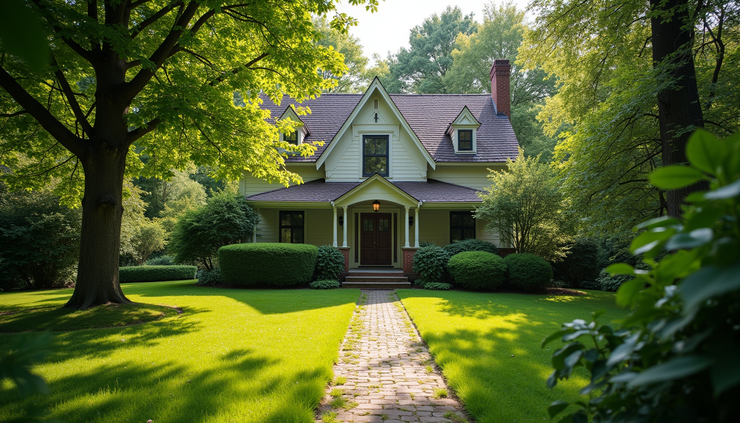
Older homes are often located in well-developed areas with mature trees, parks, and nearby shops or schools.
Character and Style
Many existing homes feature unique architectural details and craftsmanship that new builds may lack.
Immediate Availability
You can move in quickly after closing without waiting for construction to finish.
Potential for Negotiation
Sellers of existing homes may be more willing to negotiate on price or include appliances and furniture.
Lower Purchase Price
Depending on the market, existing homes can be more affordable than new construction.
Things to Watch Out For in Existing Homes
Maintenance and Repairs
Older homes may require updates to plumbing, electrical systems, or roofing. These costs can add up over time.
Energy Efficiency
Many older homes lack modern insulation or efficient windows, leading to higher utility bills.
Limited Customization
While you can renovate, changing the layout or major features can be costly and time-consuming.
Hidden Issues
Problems like mold, pests, or foundation damage might not be obvious during a walkthrough.
Factors to Consider When Choosing
To decide which option fits you best, consider these important factors:
Budget
Calculate your total budget including purchase price, closing costs, and any renovations or upgrades.
Timeline
If you need to move quickly, an existing home might be better. If you can wait, new construction offers customization.
Location Preferences
Think about proximity to work, schools, and amenities. New developments may be farther out.
Lifestyle Needs
Consider the size, layout, and features that suit your family’s daily routine.
Long-Term Plans
Are you planning to stay for many years or sell within a few? This can influence your choice.
Risk Tolerance
New construction carries some uncertainty with timelines and final finishes. Existing homes may have hidden repair costs.
Making the Decision
Both new construction and existing homes have clear benefits and drawbacks. For example, a young family might prefer a new home with energy-efficient features and room to grow. On the other hand, a buyer who values character and a mature neighborhood may lean toward an existing home.
Visiting both types of properties, talking with real estate agents, and reviewing your financial situation will help clarify your priorities. Remember, the right choice depends on your unique circumstances and what matters most in your next home.

Choosing between new construction and existing homes shapes your living experience for years. Take time to weigh the pros and cons carefully, and you will find a home that fits your lifestyle and budget. Start by listing your must-haves and deal-breakers, then explore options with confidence. Your ideal home is waiting.


Comments